Pay in installments of $6.14 with
 ,
,
 and
and

Shipping Estimate
USA
- USA
- CAN
- USA
- CAN
Ships within 48 hours · Estimated delivery Jul 1 - Jul 6
 Promo Codes Available:
For Your Every Summer RSVP, with Code: SUMMER15
Description
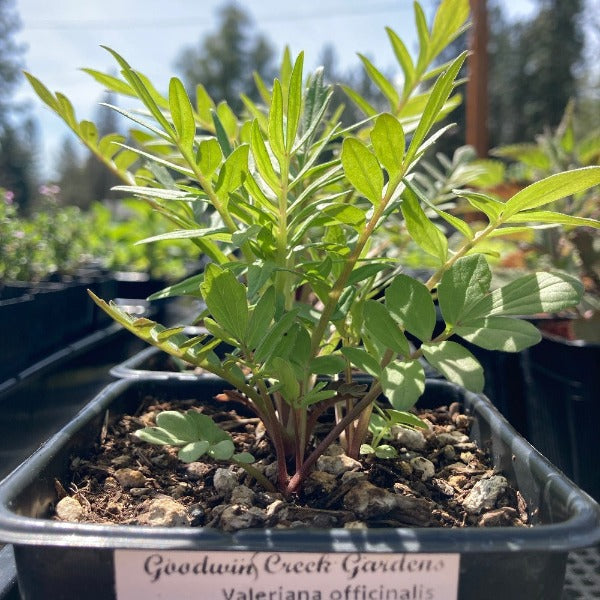
valerian potted plant Valerian Plant for Traditional UseValerian is a tall, quietly powerful plantone that doesnt shout for attention, but carries deep presence in both garden and tradition. Its finely divided green leaves form tidy, grounded clumps at the base, while tall upright stems rise above, topped with soft clusters of small, sweetly fragrant flowers. Blooming in late spring to early summer, valerian adds height, movement, and subtle beauty to garden beds. Pollinators love its nectar rich flowers,
Valerian is a tall, quietly powerful plant—one that doesn’t shout for attention, but carries deep presence in both garden and tradition. Its finely divided green leaves form tidy, grounded clumps at the base, while tall upright stems rise above, topped with soft clusters of small, sweetly fragrant flowers.
Blooming in late spring to early summer, valerian adds height, movement, and subtle beauty to garden beds. Pollinators love its nectar-rich flowers, and gardeners love its long history as one of the most important plants of the traditional apothecary.
GROWING NOTES
- Herbaceous Perennial
- Height x Width: 4 ft x 2 ft
- USDA Zones: 5–9
- Light: Full Sun to Part Shade
- Water: Regular, well-drained soil
- Blooms late spring to early summer
- Loved by bees and beneficial insects
- Tall and architectural in garden beds
TRADITIONAL & CULTURAL USES
Valerian has been used for thousands of years in European, Asian, and Middle Eastern herbal traditions. It was grown in monastery gardens and home apothecaries for:
- Evening and rest-focused teas
- Nervine and calming folk traditions
- Emotional and grounding herbal practices
- Sleep-time rituals and sachets
- Tinctures, decoctions, and infused wines
Its roots were especially prized, and valerian became one of the most widely respected calming herbs in historical herbalism.
Today, many people grow valerian to reconnect with those traditions—harvesting roots, flowers, and leaves for personal herbal practice and to keep old plant wisdom alive.
HARVESTING TIPS
Flowers & Leaves
- Harvest on dry mornings after the dew has dried
- Cut flowering stems just as blooms fully open for best fragrance
- Use fresh for teas, sachets, and gentle herbal preparations
- Dry in small bundles in a warm, airy, shaded space
Roots
- Harvest in fall of the plant’s second year, after flowering is finished
- Dig carefully to keep roots intact
- Rinse gently and chop into small pieces
- Dry thoroughly before storing
Storage
- Store dried valerian in airtight containers, away from light and heat
- Properly dried roots and flowers will keep their scent and quality for up to a year
Harvest respectfully and only take what you need—leave plenty for the plant and pollinators.
WHY YOU'LL LOVE IT
- Deep roots in traditional herbal history
- Soft, fragrant flowers for pollinators
- Beautiful vertical presence in the garden
- A true apothecary-garden classic
- Connects you to centuries of herbal tradition
Traditional use information is shared for educational purposes only and is not medical advice.
PAIRS WELL WITH
- Lemon Balm – gentle evening tea blends
- Chamomile – soft floral calm
- Lavender – aromatic relaxation
- Skullcap – traditional nervine gardens
- Catnip – calming herb companions
- Rose – emotional and aromatic blends
Shipping Notes
- Free Standard Shipping on $100+ Orders to the USA.
- Except Preorder products are shipped in 48 hours.
- Delivery to the USA:
- Standard Shipping : 3-10 business days
- If time is of the essence, please consider selecting expedited delivery for faster service.
Exchange/Return Notes
- We offer a 30-day return/exchange service after receiving.
- Final sale items are not eligible for returns or exchanges.
- To process your return/exchange, please contact us at [email protected]
- Please click here for more details>>> Return & Exchange Policy